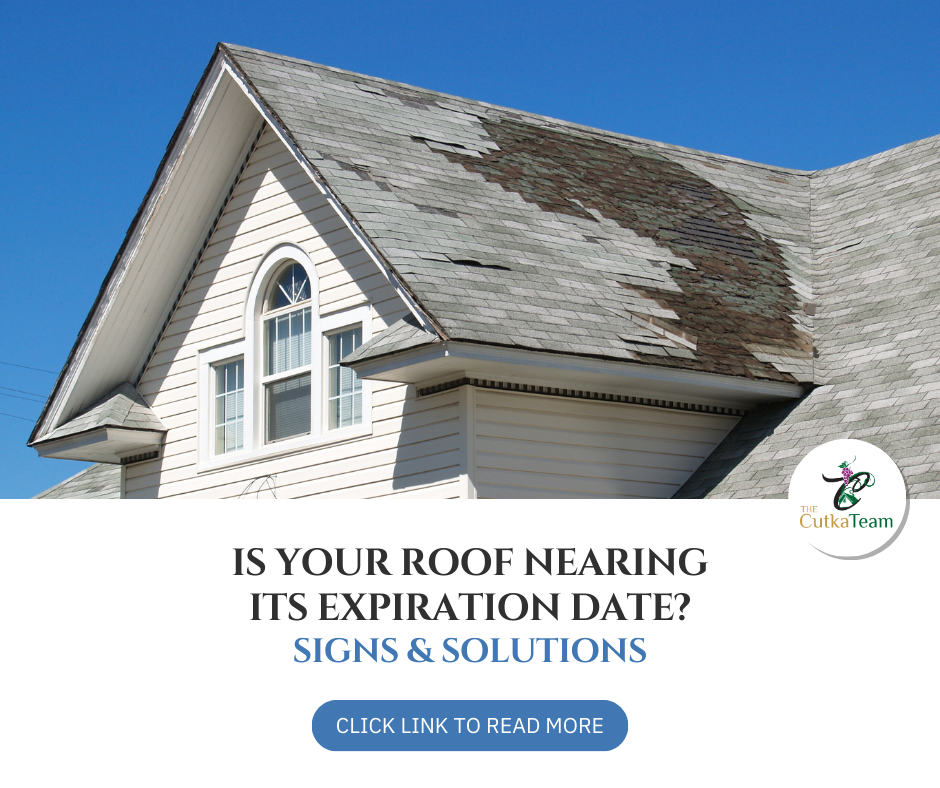
Is Your Roof Nearing Its Expiration Date? Signs & Solutions
A roof is one of the most critical components of any home,
providing shelter, insulation, and protection from the elements. It
seems lately we have been working with homeowners who are
fearing it's time to replace their roof. Like any other part of a house,
a roof has a an expiration. Understanding how long a roof lasts and
the factors that influence its longevity can help you plan for
maintenance, repairs, or replacement.
How Long Does a Roof Last?
The lifespan of a roof largely depends on the type of roofing
material used. Below are common roofing materials and their
average lifespans:
• Asphalt Shingles: The most common roofing material, asphalt
shingles typically last between 15 and 30 years, depending on
quality and maintenance.
• Wood Shingles/Shakes: These can last 20 to 40 years but
require regular upkeep to prevent decay and damage from
moisture.
• Metal Roofing: Durable and long-lasting, metal roofs can last
between 40 and 70 years, depending on the type of metal used.
• Clay or Concrete Tiles: These roofs are known for their
longevity, often lasting 50 to 100 years with proper
maintenance.
• Slate Roofing: Among the most durable options, slate roofs can
last anywhere from 75 to 200 years, making them a lifetime
investment.Factors That Affect Roof Longevity
Several factors can influence how long a roof will last, including:
1. Climate and Weather Conditions – Extreme weather such as
high winds, heavy rain, snow, hail, and intense sunlight can
shorten a roof’s lifespan.
2. Installation Quality – A poorly installed roof is more
susceptible to early deterioration, leaks, and other issues.
3. Roof Maintenance – Regular inspections and maintenance,
such as cleaning gutters, removing debris, and replacing
damaged shingles, can extend a roof’s life.
4. Ventilation and Insulation – Proper ventilation and insulation
help regulate temperature and moisture levels, preventing
premature roof damage.
5. Material Quality – Higher-quality roofing materials tend to
have longer lifespans and better resistance to environmental
factors.
Signs It’s Time to Replace Your Roof
Even with good maintenance, every roof will eventually need
replacement. Here are some signs that indicate it’s time for a new
roof:
• Curling, cracking, or missing shingles
• Frequent leaks and water damage
• Sagging roof sections
• Excessive moss or algae growth
• Granule loss from shingles, leading to bald spots• Visible signs of aging, such as fading or warping
Extending the Life of Your Roof
To maximize the lifespan of your roof, consider these best practices:
• Schedule professional inspections at least once a year
• Keep gutters clean to prevent water buildup
• Trim overhanging tree branches to reduce debris and minimize
storm damage
• Address minor repairs promptly to prevent larger issues
• Ensure proper attic ventilation to avoid moisture buildup
Final Thoughts
A well-maintained roof is essential for the safety and value of your
home. By understanding the lifespan of different roofing materials
and taking proactive steps for maintenance, homeowners can avoid
costly repairs and ensure their roof lasts as long as possible. If your
roof is nearing the end of its lifespan or showing signs of wear, we
can help you determine the best course of action.
Thinking of selling your home or investing in a new one? A roof
in good condition can add value and appeal to your property.
Reach out to us for expert real estate advice and home insight