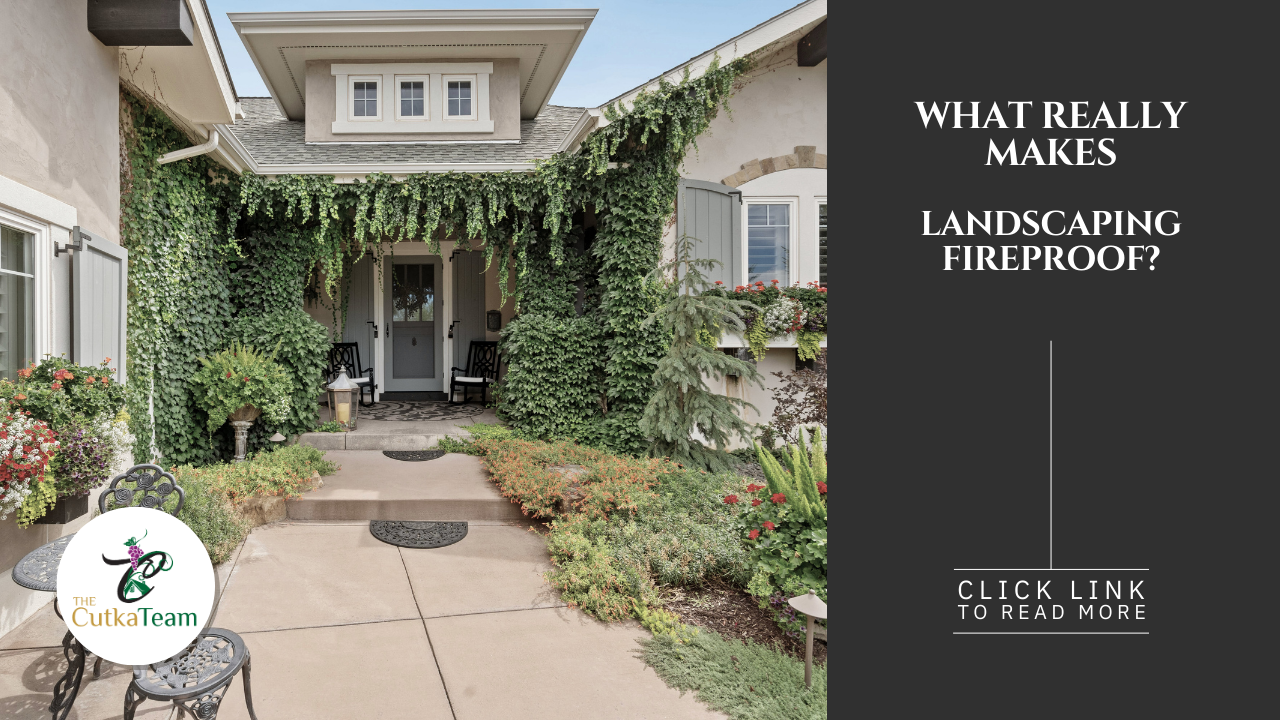
What REALLY Makes Landscaping Fireproof?
It's not enough to simply choose the right plants.
Wildfires, in general, have unfortunately become more frequent. The devastation in LA has prompted
homeowners in the Temecula Valley & across the country to think about ways theycan better fireproof their homes.
More fire-resistant, landscaping strategies can play a role in helping to protect your home from encroaching flames,
according to landscapers.
Fire-resistant landscaping involves creating a defensible space on your property and starving potential fires
from fuel sources.
We read a quote from a professional landscaper, Denis McCauland, from Denver, CO that
said, “Good landscaping choices can help to prevent the spread of fire, and poor landscaping
choices can act as fire accelerant and put your property at greater risk.”
Fire officials consider the area 200 feet up around your house as “defensible space,” meaning
proper landscaping can help slow, or even stop, the spread of a fire. Keep in mind that no
landscaping is considered entirely fireproof because even a wind-fueled wildfire can scorch
fire-resistant plants, but some landscaping elements stand a better chance against a fire.
Here’s what to know about creating a fire-resistant landscaping plan for your own home.
How Do I Fireproof My Yard?
Choosing the right materials in your landscaping is key to making your home more fire-
resistant. Decomposed granite, decorative stone, and small gravel are good choices vs.
shredded wood mulch or pine straw. (Which so many of us use in the Temecula Valley!)
You can also install a brick retaining wall around your landscaping beds as well to hold
ground cover in, protect it from weeds, and keep any potential fires from moving into the
bed. Stepping stone pathways between beds, metal edging, and large boulders provide
breaks in between plants, all these are also fire-resistant landscaping strategies, according to
experts.Plants and trees should have plenty of space between them, and vegetation needs to be
consistently pruned because it can otherwise fuel fires.
Fires can quickly jump from grasses and shrubs to trees and homes. So, You'll want to make
sure all grasses and dormant plants are consistently cut low, and be sure to remove the
clippings from your property.
What Are the Most Fire-Resistant Plants?
When it comes to fire-resistant plants, you’ll need to take many factors into consideration
while making your landscaping plan. Always keep in mind how hot the summers get in the
Temecula Valley, so plan out what can withstand the heat.
You don't want to end the summer with a bunch of dead, dried-up plants that will only add
fuel to a fire. If you have a plant that isn't thriving in your yard and dies, remove it as soon
as possible.
You can avoid this by selecting plants that are native to our region. In addition to consulting
experts at one of our local nurseries.
Landscaping experts say to avoid plants like juniper, which is highly flammable because old,
brittle needles accumulate in the plant.
What should you select, though? Plants with high moisture content and thick leaves like
succulents are less prone to igniting. Prickly pear cactus and yucca plants are fire-resistant,
visually appealing, and easy to maintain + native to dryer regions of the country, like the Temecula Valley.
What Are Tips for Fire-Resistant Landscaping?
Here are five more tips for fire-resistant landscaping:
•Fertilizing is important for creating a fire-resistant yard, because healthy trees and
plants are less likely to dry out and drop excessive debris.
•Shrubs should be spaced out with two times their height between them, according to
the Western Fire Chiefs Association.•Trees should be 10 feet apart from each other, and no tree canopy should be within
10 feet of a house.
•The lowest branches on your tree should have at least six feet of clearance from the ground.
•Avoid plants that have aromatic leaves, gummy saps, or loose papery bark as they
tend to be more flammable.
With all this information, keep in mind.... You can hire an expert in your area who can assess
your yard and recommend the best solutions based on your budget and risk factors in your
area.
We hope this has been helpful information!